
Summary: IV therapy for athletes delivers fluids and nutrients straight into the bloodstream to support recovery. The catch is regulatory: any infusion over 100 milliliters in a twelve hour window is a prohibited method under anti-doping rules, even when the bag holds nothing but saline. For competitive athletes, that rule decides the conversation before recovery benefits do.
Table of Contents
Recovery infusions have become routine in locker rooms, training facilities, and drip bars across Palm Beach County. The pitch is consistent: faster recovery, fewer cramps, more available energy for the next session. What almost never comes up in that pitch is that the treatment itself is a prohibited method for most competitive athletes, regardless of what is in the bag.
We are a sports medicine practice, so this is a conversation we have to get right. What follows is how infusions actually work for recovery, the rule that governs them, and how we decide whether one has a place in an athlete’s plan.
What Infusion Therapy Does for Athletic Recovery
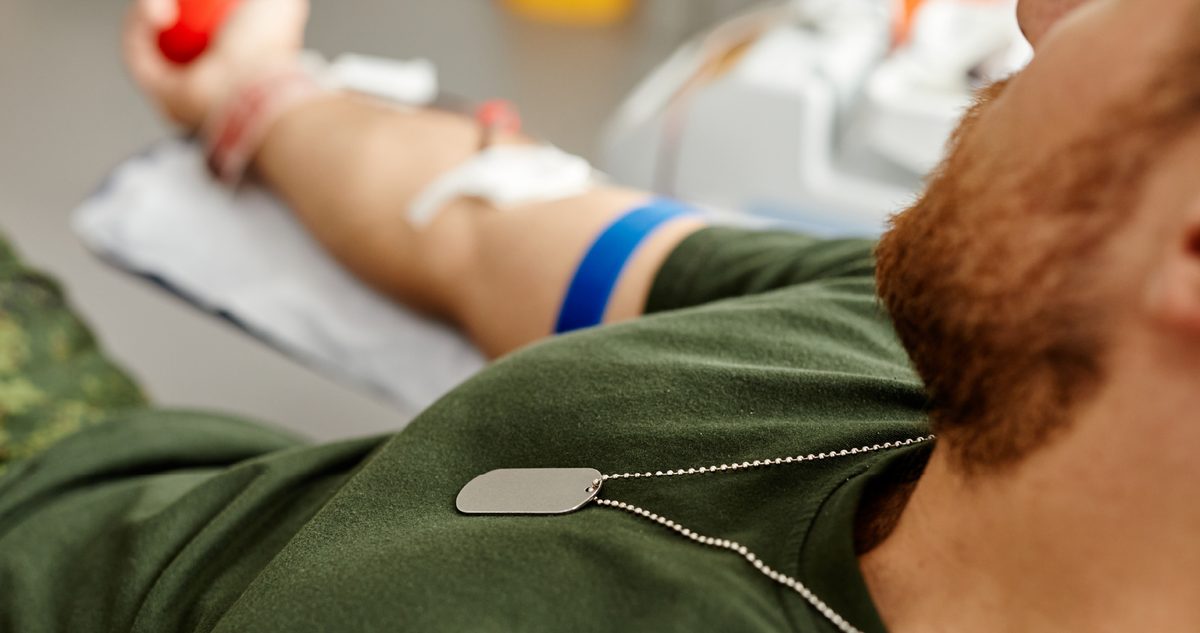
Infusion therapy delivers fluids, electrolytes, and nutrients through a vein, bypassing digestion and reaching circulation faster than anything swallowed. For an athlete, the plausible benefit is narrow and specific: restoring fluid volume when depletion is real and oral intake is not keeping up.
That is a smaller claim than the category usually makes, and we make it deliberately. Our sports medicine care in Palm Beach County covers athletes across baseball, basketball, football, racquet sports, soccer, volleyball, and equestrian disciplines, and the pattern we see is consistent. Athletes who feel dramatically better after an infusion were usually dehydrated to begin with. Athletes who were already well hydrated tend to notice very little.
Claims about clearing lactate, preventing soreness, or accelerating tissue repair through intravenous vitamins are not well supported. We do not make them, and results vary considerably from one athlete to the next.
The Anti-Doping Rule Every Competitive Athlete Needs to Know
The World Anti-Doping Agency classifies intravenous infusions and injections totaling more than 100 milliliters per twelve hour period as a prohibited method, category M2. The prohibition applies both in and out of competition. Exceptions are narrow: hospital treatment, surgical procedures, and clinical diagnostic investigations.
The part athletes consistently miss is that the rule is about the method, not the ingredients. The U.S. Anti-Doping Agency has stated plainly that the prohibition holds even when the infusion contains nothing but saline, vitamins, or a rehydration solution, and that receiving several small injections does not get you under the threshold. A typical wellness drip runs 500 to 1,000 milliliters, so it is well past the line.
Anything outside those exceptions requires a Therapeutic Use Exemption before the infusion, not after. A single exemption covers volume when every ingredient is permitted. If the infusion also carries a prohibited substance, that needs its own exemption on top. Concierge services and home visits are covered by the identical rule, and the responsibility for knowing it sits with the athlete rather than the provider.
VitalEdge™ and How We Use Infusions in Sports Medicine
VitalEdge™ is our athletic recovery infusion, part of the BioMastery™ Infusions line delivered through Avastar® Health Systems. We order it for recreational and masters athletes, for patients rebuilding after an injury, and for anyone who is not competing under an anti-doping program. That distinction matters far more here than the formula does.
For tested athletes, the answer is different and we say so at the consultation rather than at checkout. Either the volume stays under the threshold, or an exemption is in place, or the infusion does not happen. We are not willing to put an athlete’s eligibility at risk to sell a recovery service, and any provider who has not raised the topic with you has told you something about how they operate.
Where we do lean in for athletes is treatment that addresses tissue directly rather than supporting it from the bloodstream. How PRP is used in sports medicine is a more useful starting point for a tendon or ligament problem than any infusion protocol, and it carries none of the same regulatory complications.
Where Infusions Sit Among Your Other Recovery Tools
Recovery has a hierarchy, and infusions sit near the bottom of it. Sleep duration and consistency, total energy intake, protein timing, and training load management account for most of the recovery an athlete will ever get. Anything delivered through a needle is a marginal addition on top of those, not a substitute for them.
Our guide to nutrition and recovery for in-season athletes covers the fueling side, and if you are comparing modalities, liquid nitrogen cryotherapy compared with cold plunge walks through where cold exposure genuinely helps and where it is oversold. We would rather an athlete fix sleep and fueling for six weeks than book six infusions.
How We Decide Whether an Infusion Belongs in Your Plan
Our first question is not which protocol you want but whether you compete under an anti-doping program. That single answer determines most of what follows. After that we look at what you are actually trying to solve, what you have already tried, and whether your medications, cardiac status, and kidney function make an infusion appropriate.
Often the honest recommendation is something other than an infusion, whether that is a training adjustment, blood work to explain persistent fatigue, or regenerative medicine treatments aimed at the tissue causing the problem. You can request an appointment at our Delray Beach office, and we will tell you where infusion support fits in your season and where it does not.
Frequently Asked Questions
Are IV drips allowed for competitive athletes?
Usually not. Under the World Anti-Doping Code, an infusion exceeding 100 milliliters within twelve hours is a prohibited method, in and out of competition, unless it happens during hospital treatment, surgery, or a diagnostic procedure. A standard drip bar bag is far above that threshold. Competing without a Therapeutic Use Exemption puts your eligibility at risk.
Does IV therapy help muscle recovery?
The honest answer is that evidence for intravenous nutrients specifically improving muscle recovery is thin. Rehydration helps performance when an athlete is genuinely depleted, but oral rehydration achieves that in most cases. We would rather address sleep, fueling, and training load first, because those have far stronger support behind them.
Do I need a TUE for a vitamin drip?
If the total volume exceeds 100 milliliters in twelve hours, yes, you need a Therapeutic Use Exemption even when every ingredient is permitted. If the infusion also contains a prohibited substance, two separate exemptions are required. This applies to concierge and at-home IV services exactly as it applies to a clinic.
Is IV hydration better than sports drinks?
For most athletes, no. Position statements from the American College of Sports Medicine have long supported oral fluid replacement as the standard approach for exercise-related fluid loss. The intravenous route matters when an athlete cannot keep fluids down or shows signs of a heat illness that needs medical evaluation, which is a clinical situation rather than a recovery routine.
Does this rule apply to high school and college athletes?
It applies to any athlete under an anti-doping program, which includes NCAA competitors and many national governing bodies at the junior level. High school rules vary by state and association. If you are unsure whether you are covered, assume you are and ask before receiving an infusion rather than after.
What if I am not a tested athlete?
Then the anti-doping rule does not apply to you and the decision becomes purely clinical. We still evaluate the same way: what are you trying to accomplish, does an infusion address it better than the alternatives, and do your medications and cardiac and kidney function make it appropriate.

Dr. Patrick H. Tyrance Jr., MD
An orthopedic surgeon and former NCAA Academic All-American linebacker and NFL draft pick. Having competed at the highest level, he understands what it takes to get patients back to what they love — with a focus on regenerative, minimally invasive care.
- Practice: Delray Beach, FL
- Profile: About Dr. Tyrance