

Summary: See a sports medicine doctor when an injury does not improve with rest, when pain limits training or daily movement, or when a joint feels unstable, swollen, or weak. In Delray Beach, an orthopedic sports medicine specialist can diagnose the problem, from sprains to cartilage damage, and guide both nonsurgical and surgical care so you return to activity safely.
Table of Contents
A pickleball match that ends with a twinge in your shoulder. A morning run that leaves your knee swollen by lunch. In Delray Beach, active adults push hard, and sometimes the body pushes back. Most minor aches settle with a few days of rest, so the tricky part is knowing when a nagging injury is something more, and when it is time to stop guessing and have it looked at.
A sports medicine doctor focuses on exactly these problems, the muscles, joints, and tendons that activity stresses most. Here is how to tell when a visit is worth it, what a first visit involves, and what the sports medicine team at Tyrance Orthopedics & Sports Medicine can do for you.
What Does a Sports Medicine Doctor Do?
A sports medicine doctor diagnoses and treats injuries that affect the muscles, bones, joints, and tendons, especially the ones tied to activity and exercise. At an orthopedic practice, that covers sprains, tendon and ligament injuries, cartilage damage, and overuse problems, with sports medicine care that ranges from conservative treatment to surgery.
The label can be misleading. You do not need to be a competitive athlete to benefit. Weekend players, runners, parents lifting car seats, and retirees staying active all deal with the same tissues under stress. What sets a sports medicine specialist apart is a focus on getting you back to the activity you care about, not just calming the pain, and on protecting the joint so the same injury does not keep returning.
When Should You See a Sports Medicine Doctor?
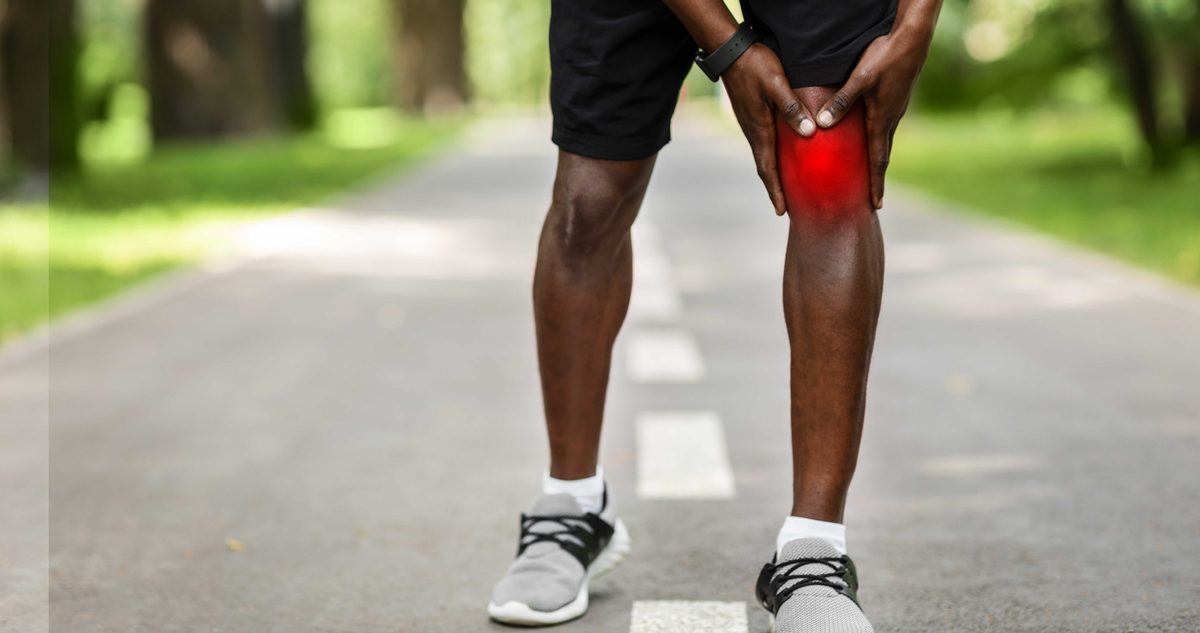
See a sports medicine doctor when pain lasts more than a week or two, keeps returning each time you resume activity, or does not respond to rest, ice, and over-the-counter care. Swelling that will not settle, a joint that feels unstable, or a clear drop in strength or motion are also good reasons to get evaluated.
Some injuries are easy to underestimate. A rolled ankle that never quite feels solid, or a joint that aches for weeks after a fall, can hide ligament or cartilage damage. Our guides on common pickleball injuries and recovering from a sprained ankle walk through how everyday activity leads to these problems and when they need more than home care.
Signs Your Injury Needs More Than Rest
Rest helps most minor strains, but certain signs point to a problem that will not resolve on its own. The pattern below is what clinicians look for when deciding whether an injury needs imaging, a hands-on exam, and a treatment plan rather than another week on the couch.
| Sign | What it may point to | Why an evaluation helps |
|---|---|---|
| Pain lasting beyond two weeks | Tendon, ligament, or cartilage involvement | Exam and imaging pinpoint the real cause |
| Swelling that keeps returning | Ongoing joint irritation or internal injury | Targeted treatment breaks the cycle |
| A joint that gives way | Ligament injury, such as an ACL problem | Early diagnosis protects the joint |
| Weakness bearing weight or lifting | Muscle or tendon tear | Guides whether therapy or repair is needed |
| Limited range of motion | Stiffness, impingement, or a structural issue | Restores motion before it turns chronic |
| Numbness or tingling | Nerve involvement | Prompts specific, timely evaluation |
Seek urgent care right away if: a joint looks deformed, you cannot bear weight or move it, swelling balloons within minutes of an injury, you heard a loud pop followed by instability, or you lose feeling in the limb. These can signal a fracture or a major tear that needs prompt attention.
Your First Sports Medicine Visit at TOSM
A first sports medicine visit at Tyrance Orthopedics & Sports Medicine starts with your story: what you were doing when the injury happened, what makes it better or worse, and what activity you want to get back to. Your provider then examines the joint, checking motion, strength, and stability, and may order imaging such as an X-ray or MRI to see what the exam cannot.
From there you get a diagnosis and a plan in plain language. That plan might involve activity changes, physical therapy, bracing, or in-office treatment, with clear checkpoints for how progress will be measured. The goal is a path you understand, not a vague instruction to rest and hope it improves.
Surgery or Nonsurgical Care: How the Decision Is Made
Most sports injuries never reach an operating room. The decision depends on what is damaged, how badly, and what your activity goals are. Nonsurgical care handles the majority of cases, while arthroscopic procedures and repair are reserved for tears and unstable joints that will not heal on their own.
| Approach | Often used for | What it involves |
|---|---|---|
| Nonsurgical care | Sprains, tendonitis, early cartilage wear, muscle strains | Activity change, therapy, bracing, and injections |
| Minimally invasive procedures | Persistent pain or soft-tissue damage | Image-guided injections and arthroscopic evaluation |
| Surgical repair | Complete tears, ACL rupture, unstable joints | Arthroscopic reconstruction or repair, then rehab |
At Tyrance Orthopedics & Sports Medicine, care starts with the least invasive option that fits the injury and moves up only when the evidence calls for it. That approach protects the joint and keeps recovery time as short as the injury allows.
Why Choose a Sports Medicine Specialist in Delray Beach
Choosing a local sports medicine team means faster follow-up, in-person exams, and care that fits how you actually train and live in South Florida. At Tyrance Orthopedics & Sports Medicine, Dr. Patrick Tyrance brings a perspective many orthopedic surgeons do not, as a Harvard-trained surgeon who competed in college and professional football before treating athletes and active adults.
That background shapes how the practice approaches recovery: understanding the drive to get back to activity, while being honest about what the tissue needs to heal. Serving the Delray Beach community, the team combines sports medicine, regenerative options, and arthroscopic surgery under one roof, so your evaluation and your treatment do not require a scavenger hunt across town.
Dealing with an injury that will not quit? Get a clear answer from Dr. Tyrance.
Schedule an evaluationwith Tyrance Orthopedics & Sports Medicine in Delray Beach.
Frequently Asked Questions

Dr. Patrick H. Tyrance Jr., MD
An orthopedic surgeon and former NCAA Academic All-American linebacker and NFL draft pick. Having competed at the highest level, he understands what it takes to get patients back to what they love — with a focus on regenerative, minimally invasive care.
- Practice: Delray Beach, FL
- Profile: About Dr. Tyrance